Wicked: For Good is Rated PG by Motion Picture Rating (MPA) for action/violence, some suggestive material and thematic material.
Wicked: For Good may not deliver songs as instantly hummable as its predecessor, but it hits harder where it counts digging deep into the emotional heart of a friendship torn apart. This second half of Chu’s adaptation of the Broadway phenomenon picks up where the first left off, exploring the complicated relationship between Elphaba and Glinda as they navigate the pressures of a world that demands they be something they are not.
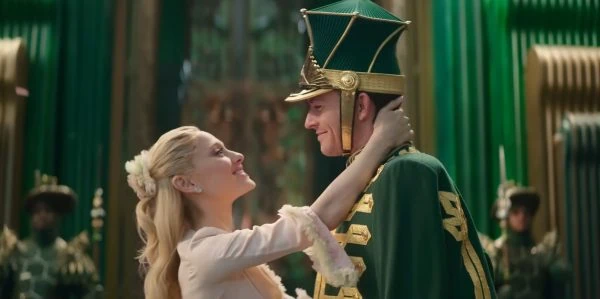
Following her dramatic flight at the end of part one, Elphaba (Cynthia Erivo) has vanished from Oz, leaving Glinda (Ariana Grande) to preside over the Emerald City in her absence. Glinda’s realm is colorful and joyous, a reflection of her sunny, determined persona but beneath that cheerful surface lies tension. She believes she is doing the right thing by aligning herself with the Wizard of Oz (Jeff Goldblum, entertainingly unctuous), despite clear signs that his intentions are far from benevolent. Meanwhile, the citizens of Oz are captivated by his charisma, echoing the all-too-familiar dangers of blindly following a huckster.
The central story revolves around the strain this separation places on Glinda and Elphaba’s friendship. Once inseparable, the two women now find themselves on opposite sides of a society that labels Elphaba “wicked” and glorifies Glinda as the paragon of goodness. The tension is personal as well as societal: Glinda tries to uphold her image while attempting to understand her absent friend, and Elphaba must grapple with a world that refuses to see her for who she truly is. Their journey toward reconciliation forms the emotional backbone of the film, made all the more powerful because the first movie established their bond so convincingly. A wordless glance across a crowded dance floor or a fleeting moment of recognition carries far more weight now that we understand the depth of their connection.
Musically, the film hits several high points that serve the story rather than just spectacle. Erivo’s “No Good Deed” is a showstopper, capturing Elphaba’s defiance and sorrow as she embraces the “wicked” identity thrust upon her. Grande’s solo, “The Girl in the Bubble,” delves into Glinda’s internal conflict, highlighting the consequences of the choices she’s made in Elphaba’s absence. Both performances are amplified by Alice Brooks’ inventive cinematography, which turns each number into a visual and emotional experience rather than just a musical interlude.
Supporting characters add layers to this narrative of loyalty, compromise, and self-discovery. Prince Fiyero (Jonathan Bailey) struggles with his place beside Glinda, quietly resisting the pressures of a high-profile marriage and public life. Madame Morrible (Michelle Yeoh) continues to manipulate her way through Ozian politics, while small but pivotal moments like the flashback to a young Glinda’s birthday, played perfectly by Scarlett Spears reveal the origins of her performative, perfectionist tendencies. Even the Wizard, a centuries-old character, feels startlingly relevant as a figure of charm and coercion.
The story also expands the world of Oz, revisiting familiar characters and images from the classic Wizard of Oz, although some casting choices, like Colman Domingo as the Cowardly Lion with minimal dialogue, feel underused. Yet these world-building touches serve the plot by reminding us why this land and the stakes within it matter so deeply.
At its core, though, Wicked: For Good is about the enduring, complicated friendship between Elphaba and Glinda. Their bond, tested by societal pressures and personal choices, ultimately finds resolution in the film’s emotional climax: the duet “For Good.” Tender, bittersweet, and profoundly moving, it encapsulates the story’s central message about love, forgiveness, and the ways people shape each other’s lives. It’s a finale that lingers long after the credits roll, leaving the audience both heartbroken and uplifted a true testament to the emotional power of this adaptation.
Detailed Content Breakdown for Parents
Violence & Intensity: There is likely to be some intensity and conflict, as Elphaba resists the Wizard’s authoritarian rule. Expect tension, but not graphic violence (based on the tone of the musical source material).
Language: There’s no public indication that the film will use harsh profanity, slurs, or very adult language. The original stage musical is more poetic than profane, and the PG rating supports a milder tone.
Sexual Content / Nudity: Minimal to none. The focus is more on relationships, loyalty, and personal transformation than on romance or physical intimacy.
Drugs, Alcohol & Smoking: There’s no strong evidence to suggest that drug use, heavy drinking, or smoking are central to the story so far.
