Obsession is Rated R by Motion Picture Rating (MPA) for strong bloody violence, grisly images, sexual content, pervasive language, and brief graphic nudity.
I saw Obsession twice, with two very different crowds, and I’m still not entirely sure what to do with that. The first screening was packed with people in their twenties. They got destroyed. Somebody screamed an actual, involuntary scream, the kind that sets off a chain reaction in a dark room and I drove home unsettled in a way I hadn’t felt leaving a horror film in years. The second time, the audience was older, quieter, more measured. Their calm got into me. I walked out thinking: yeah, solid film. Disturbing. Well made. And I almost left it there.
But I kept thinking about it. Not the plot, not the horror sequences, but that discrepancy. Why had the younger crowd been so thoroughly undone by something the older crowd absorbed more steadily? And why had I felt it so much harder the first time? The answer, when it finally came to me, was Fatal Attraction.
I was a teenager when Fatal Attraction came out in 1987, and my honest reaction was: not bad, Play Misty for Me did it better, is there any popcorn left? But the adults around me lost their minds. It was on the cover of Time. It was on the cover of People. My mother talked about it for weeks. “I’m not going to be ignored, Dan” became something you could say at a dinner party and everyone in the room over forty would know exactly what you meant and exactly how it felt. Tom Hanks, in Sleepless in Seattle, summed it up: “It scared the shit out of me. It scared the shit out of every man in America.”
Recommending: Two Pianos Parents Guide
The reason, looking back, is obvious, Fatal Attraction was a pressure cooker of every particular anxiety Boomers were sitting on in 1987. The sexually liberated professional woman as threat to suburban fatherhood. AIDS and herpes hanging in the air just offscreen. Unwanted pregnancy. Dwindling abortion rights. The fragility of new money. Glenn Close’s character had to be coded as crazy because the alternative, that Michael Douglas’s smug, adulterous lawyer was the problem, was a thought that film wasn’t quite ready to finish. I didn’t feel the heat of Fatal Attraction because it wasn’t warming my fears. Boomers felt it in their teeth.
Obsession is that film. Right now. For a different generation.
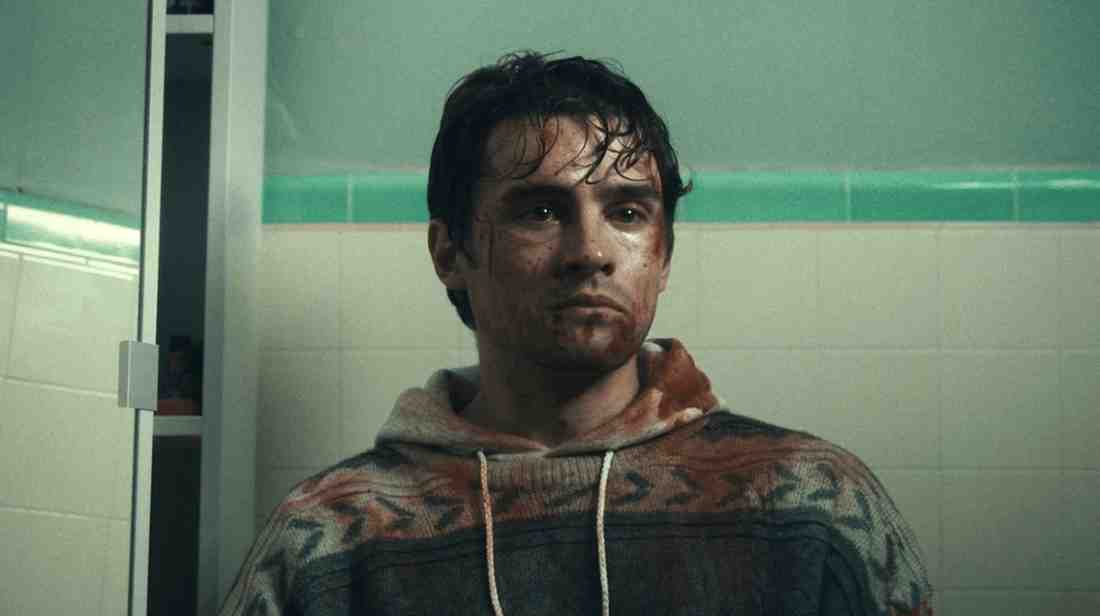
The setup is almost deceptively simple: Bear, played by Michael Johnston, there’s something of a young Billy Crudup about him, a specific kind of attractive-but-defeated, has been quietly in love with his best friend Nikki for what feels like his entire adult life. He lives alone in his dead grandmother’s house. He’s going nowhere. Every Wednesday is trivia night. Every week is the same week. And rather than just tell Nikki how he feels, he does something else instead. Something that makes a terrible, coherent kind of sense given who he is, and from there, Curry Barker’s film does what good horror does: it follows the logic all the way down.
Inde Navarrette plays Nikki, and I want to say this carefully because I mean it: she’s extraordinary here. Not in a showy way. The performance doesn’t announce itself. What Navarrette does is make Nikki feel like someone who exists between scenes, like she has a whole life happening just outside the frame, and you’re only catching glimpses. That’s genuinely hard to pull off, and she does it in a film where she’s also being watched, observed, and followed, which means half her job is conveying what it feels like to be perceived without your knowledge. She manages both. At the same time. Someone should be paying close attention to what she does in this film.
“Both times I left the theater sad. Not the clean, cathartic sad that good tragedies can sometimes give you the other kind. The heavy, stuck kind.”
What Barker understands, and what I think will make this film last, is that the horror isn’t really about what Bear does. It’s about why he does it. The friend-zone anxiety runs in both directions here: there’s the terror of confessing feelings and losing a friendship, but there’s also the terror of being the woman who receives that confession and suddenly has to manage someone else’s pain. There’s the dread of being twenty-something and running out of chances. The loneliness that looks, from the outside, like a perfectly normal social life. The way consent becomes a maze when nobody’s been taught to navigate it honestly. These aren’t things Barker lectures you about. They’re just in the room, the way real anxieties are felt before they’re named.
Recommending: The Last One for the Road Parents Guide
The horror sequences themselves are effective. Genuinely effective. Each one grows out of character rather than being dropped in for stimulation, and they escalate not in volume but in the thing underneath the volume, grief, maybe, or dread, or the particular horror of watching someone you understand make an irreversible mistake. What I kept thinking was: this is a tragedy wearing a horror film’s clothes. Bear’s problem isn’t that he’s monstrous. It’s that he can’t act. Can’t speak. Can’t move. And that paralysis, spreading outward, ends up costing everyone around him something they can’t get back.
I don’t know yet whether Obsession will become what Fatal Attraction became a cultural shorthand, a film people invoke when they’re trying to describe a particular kind of fear. Maybe. What I do know is that young people in dark theaters are screaming at it, and that’s not nothing. That’s a film that found something real. If you’ve got someone in your life from a different generation, watch this back-to-back with Fatal Attraction and see what happens. That conversation, whatever shape it takes, is probably worth having.
Obsession (2025) Parents Guide
Violence & Intensity: Strong: Sustained psychological dread throughout, with multiple horror sequences designed to genuinely frighten. Audiences have screamed audibly during screenings. Not primarily gore-driven, the horror is situational and character-based, which in some ways makes it harder to shake.
Language: Moderate: Consistent adult language in keeping with the film’s naturalistic register. No slurs. Dialogue deals directly with emotionally charged subjects, rejection, loneliness, mental illness, with frankness rather than restraint.
Sexual Content & Consent: Notable: No graphic sexual content. Consent, its ambiguity, its violation, and its emotional aftermath, is a central theme explored seriously and at length. Parents should know this isn’t treated as background; it’s what the film is about.
Drugs, Alcohol & Smoking: Moderate: Drug use is a thematic element woven into character psychology, not incidental background. Alcohol present in social contexts. Neither is glamorized, and both factor meaningfully into the story’s emotional logic.
Recommended for ages: 17 and up: this is a psychologically intense horror film built around mental illness, consent, loneliness, and obsessive behavior. The scares are real, verified by audible audience reactions, and the emotional weight lingers past the credits. Younger teens are likely to find it distressing; older teens may find it uncomfortably resonant. Not for children.
Recommending: The Christophers Parents Guide
